
Sports Injury Rehabilitation
Recover Faster, Perform Better
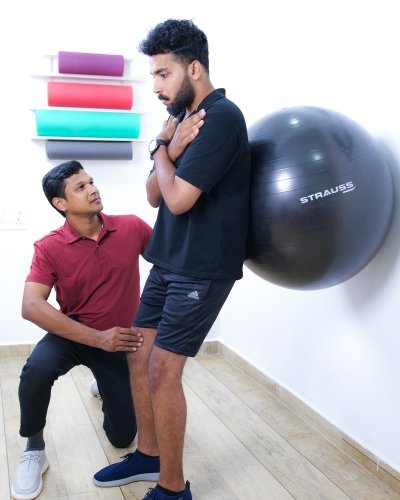
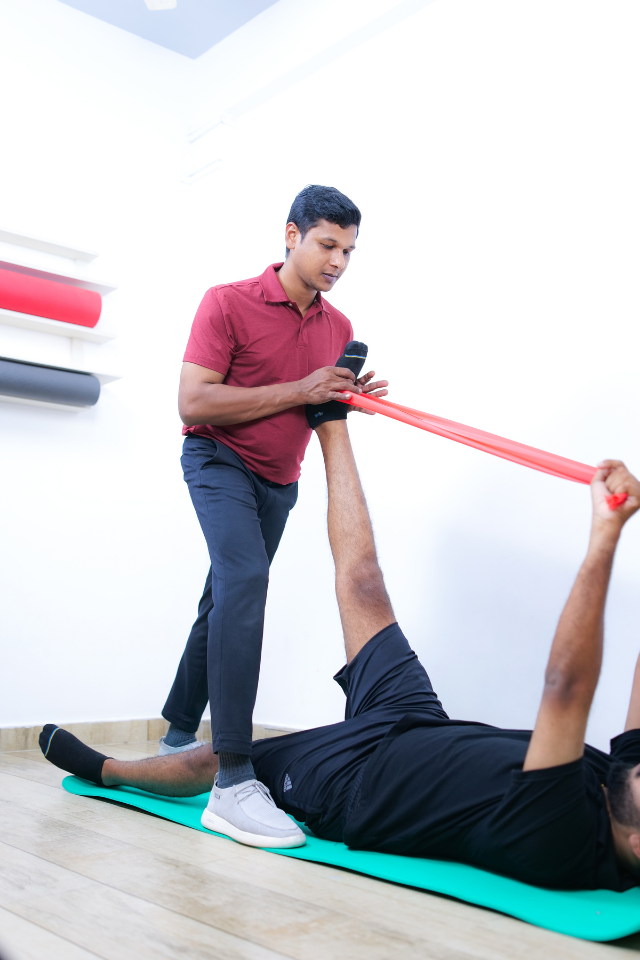
Common Sports Injuries We Treat
Muscle strains and ligament sprains
ACL, MCL, and meniscus injuries
Tennis elbow and golfer’s elbow
Rotator cuff injuries
Ankle and Achilles tendon injuries
Shin splints and stress fractures
Hamstring and quadriceps injuries
Overuse injuries from repetitive sports activities
Why Choose Us for Sports Injury Rehabilitation?
Experienced physiotherapists with sports-specific expertise
Evidence-based treatment protocols
Access to advanced rehabilitation equipment
Personalized recovery plans
Focus on long-term performance and injury prevention
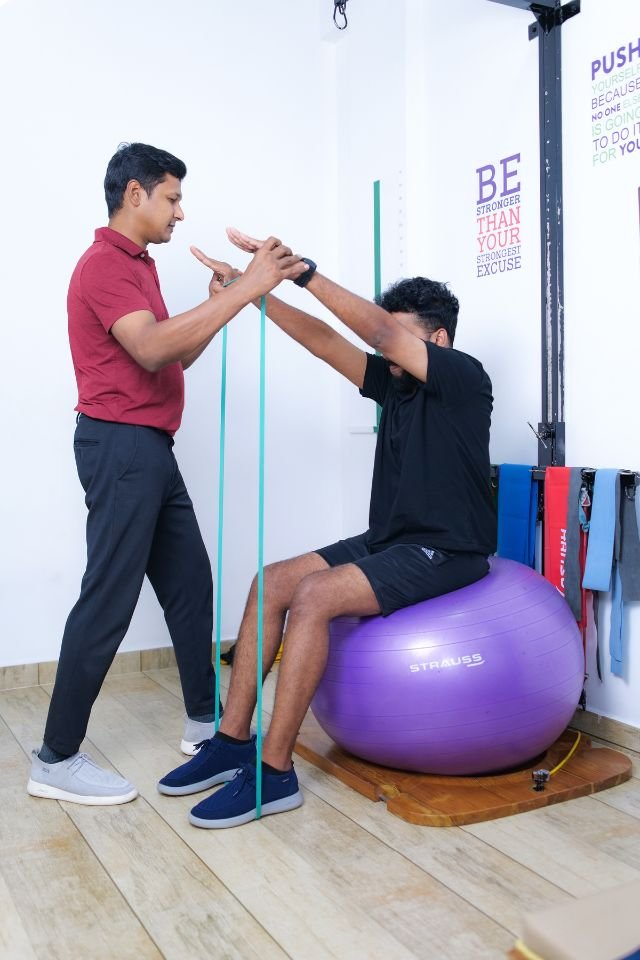
Our Rehabilitation Approach
Comprehensive Assessment
We begin with a detailed evaluation to understand the nature of your injury, its severity, and the underlying causes. This helps us design a treatment plan tailored to your sport and recovery goals.
Pain & Swelling Management
Early intervention focuses on reducing inflammation, alleviating pain, and protecting the injured area through modalities such as ice therapy, ultrasound, and gentle mobilization.
Restoring Mobility & Strength
Once the initial pain subsides, we introduce targeted exercises to restore joint range of motion, improve flexibility, and rebuild muscle strength.
Sports-Specific Training
Rehabilitation progresses to sport-specific drills and movement retraining to ensure you can return to your sport safely and confidently.
Injury Prevention Education
We guide you on proper warm-up routines, stretching techniques, and biomechanics to minimize the risk of future injuries.